Durable skills, measurable proof
Prove the skills a transcript doesn’t show.
The Generator builds psychometrically-sound assessments of durable skills — communication, judgment, fortitude — set in the context of the occupation your students are training for. Build one in a few minutes, share a link, and get back evidence a student can carry into a job interview.
Free to take
Try one for yourself
Sit the same assessment your students would, in about fifteen minutes. What comes back is a score per skill, a proficiency band and a credential in your LER.me wallet — the evidence itself, rather than a description of it.
- Take
- Score
- Credential
No cost. You’ll sign in with LER.me so the result is saved to you.
Already taken one? See your results
Free 30-day trial
Start building yours now
Assess your students before instruction and again after, and the difference is the evidence. Generate an assessment for the skill and occupation you teach, assign it to your class, and credential the durable skills they leave with.
- Generate
- Assign
- Assess
- Credential
No card. Opens a short request form on LER.me support.
Already have an account? Build an assessment
Showing this to colleagues? This code opens the trial request form. The free assessments below carry their own code, with a printable copy.
Been sent an assessment? Open the link your instructor gave you — it takes you straight to the first question once you sign in. You don’t need to start here.
Open to anyone
The free assessments
These are open to anyone with an LER.me account, at no cost. You’ll be asked to sign in on the way in so your result is saved to you. Each code below opens the same assessment as the link beside it — project it or print it to share with a class.
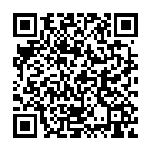
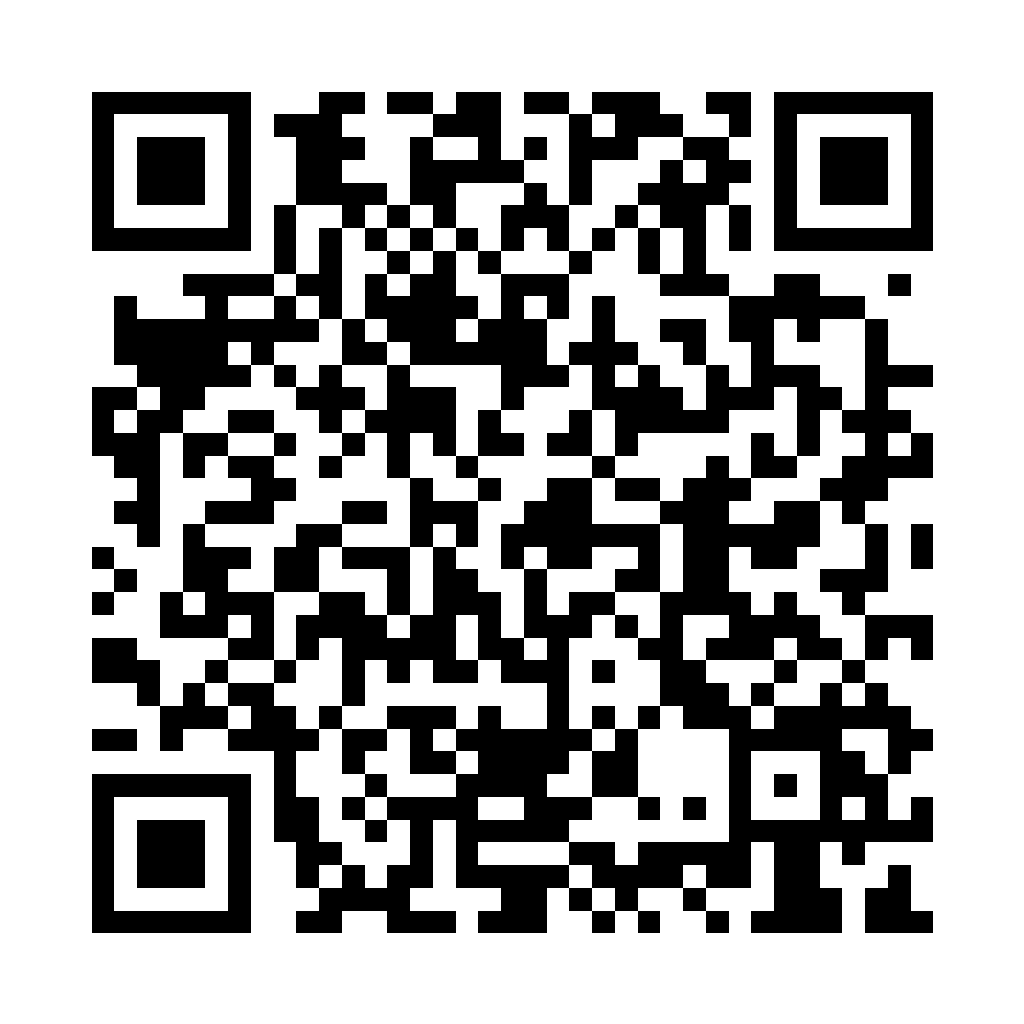
Vector file — prints sharp at any size.
- Communication Durable Skills AssessmentCommunication · Nurse Practitioners · 25 questions
- Mindfulness Durable Skills AssessmentMindfulness · Educational Instruction and Library Workers, All Other · 25 questions
- Critical Thinking Durable Skills AssessmentCritical Thinking · Carpenters · 25 questions
- Blockchain Engineers Communication AssessmentCommunication · Blockchain Engineers · 25 questions
- Construction and Building Inspectors Collaboration AssessmentCollaboration · Construction and Building Inspectors · 25 questions
- Coaches and Scouts Creativity AssessmentCreativity · Coaches and Scouts · 25 questions
How it works
Choose a skill and an occupation
Pick one durable skill and the occupation your course prepares students for — medical assistant, welder, paralegal.
We write the assessment
Items are generated for that exact pairing, so the scenarios read like the job rather than a generic personality quiz.
Share, review, and credential
Post one link to your class. Scores come back per skill with a proficiency band, and every completed attempt earns a credential in the student's LER.me wallet.
The taxonomy
What gets measured
Every result is reported against the same four bands, so a score means the same thing across occupations and across institutions.